Table of Content
Title
ER Machining, provides emergency machining services on any request.
Fast turnaround! · Call or email us!
Contact Us!
Here Are Few Application & Types of Tungsten Carbide Machining
Carbide Machining
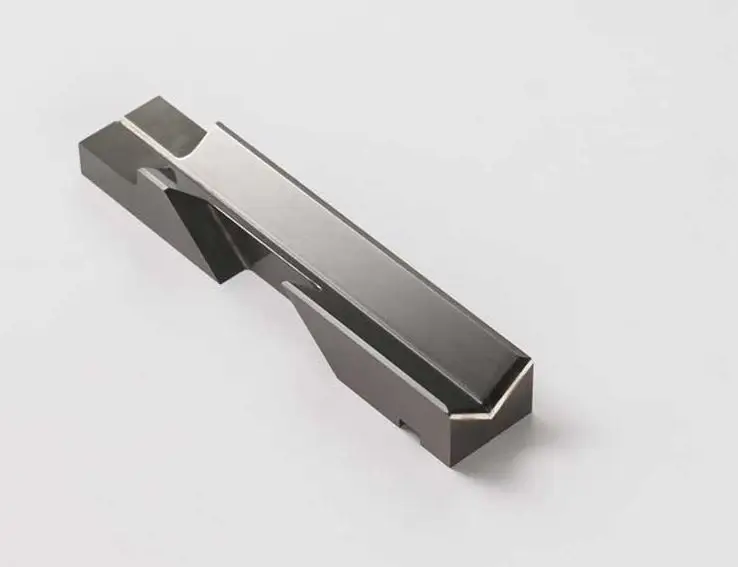
Tungsten Carbide Machining Services and Applications
ER Machining’s, carbide machine shop specializes in machining parts and components made of tungsten carbide, a complex and durable material commonly used in a variety of applications, including cutting tools, wear-resistant parts, and dies. These shops typically have a range of equipment and tools, such as lathes, milling machines, and grinders, to produce carbide parts with high precision and accuracy. Carbide machining services can also involve other operations such as drilling, boring, and tapping, and may require specialized knowledge and experience to produce quality results.
There are several types of carbide machining, which include the following:
Turning: The process of shaping carbide parts by rotating them against a cutting tool.
Milling: The process of removing material from a carbide workpiece by feeding it against a rotating cutting tool.
Grinding: The process of removing material from a carbide workpiece by abrasion using a rotating abrasive wheel.
Drilling: The process of making a cylindrical hole in a carbide workpiece using a rotating cutting tool.
Boring: The process of enlarging an existing hole in a carbide workpiece using a rotating cutting tool.
Tapping: The process of creating internal threads in a carbide workpiece using a cutting tool.
These are some of the most common types of carbide machining, but there are other specialized operations as well, such as reaming, broaching, and wire EDM. Each type of machining requires specialized equipment and techniques, and the choice of the process will depend on the specific requirements of the part being produced.
Tungsten carbide is a highly durable and heat-resistant material, making it suitable for a variety of applications, especially in industries such as aerospace, automotive, electronics, and construction. Some common applications of Tungsten carbide machining include:
Cutting tools: Tungsten carbide machining is often used to manufacture cutting tools for machining metals and other hard materials.
Wear-resistant parts: It is commonly used for the production of wear-resistant parts, such as seals, valve components, and pump parts, due to its high hardness and wear resistance.
Mining: It is often used in mining equipment, including drilling bits, rock crushers, and mining tools.
Aerospace: It is used in aerospace components, such as aircraft engine parts and aerospace cutting tools.
Medical devices: Tungsten carbide machining is used to produce medical devices, such as orthopedic implants, dental implants, and surgical instruments.
Overall, tungsten carbide machining has a wide range of applications in industries that require high-performance, durable, and heat-resistant components. ER Machining is the best carbide manufacturer for any type of machining requirement.
Tungsten Carbide Machining Services and Applications
ER Machining’s, carbide machine shop specializes in machining parts and components made of tungsten carbide, a complex and durable material commonly used in a variety of applications, including cutting tools, wear-resistant parts, and dies. These shops typically have a range of equipment and tools, such as lathes, milling machines, and grinders, to produce carbide parts with high precision and accuracy. Carbide machining services can also involve other operations such as drilling, boring, and tapping, and may require specialized knowledge and experience to produce quality results.
There are several types of carbide machining, which include the following:
Turning: The process of shaping carbide parts by rotating them against a cutting tool.
Milling: The process of removing material from a carbide workpiece by feeding it against a rotating cutting tool.
Grinding: The process of removing material from a carbide workpiece by abrasion using a rotating abrasive wheel.
Drilling: The process of making a cylindrical hole in a carbide workpiece using a rotating cutting tool.
Boring: The process of enlarging an existing hole in a carbide workpiece using a rotating cutting tool.
Tapping: The process of creating internal threads in a carbide workpiece using a cutting tool.
These are some of the most common types of carbide machining, but there are other specialized operations as well, such as reaming, broaching, and wire EDM. Each type of machining requires specialized equipment and techniques, and the choice of the process will depend on the specific requirements of the part being produced.
Tungsten carbide is a highly durable and heat-resistant material, making it suitable for a variety of applications, especially in industries such as aerospace, automotive, electronics, and construction. Some common applications of Tungsten carbide machining include:
Cutting tools: Tungsten carbide machining is often used to manufacture cutting tools for machining metals and other hard materials.
Wear-resistant parts: It is commonly used for the production of wear-resistant parts, such as seals, valve components, and pump parts, due to its high hardness and wear resistance.
Mining: It is often used in mining equipment, including drilling bits, rock crushers, and mining tools.
Aerospace: It is used in aerospace components, such as aircraft engine parts and aerospace cutting tools.
Medical devices: Tungsten carbide machining is used to produce medical devices, such as orthopedic implants, dental implants, and surgical instruments.
Overall, tungsten carbide machining has a wide range of applications in industries that require high-performance, durable, and heat-resistant components. ER Machining is the best carbide manufacturer for any type of machining requirement.
Please follow and like us:

Sort By:

Outsourcing vs. In-House Machining: What Actually Makes Sense for Your Business?

Tungsten Carbide Machining: Expert Tips, Techniques, and Best Practices for Precision Results

Graphite Machining: Processes, Challenges, Applications and Precision Services

Advanced Carbide Ceramics Machining: Why These Materials Rule in Extreme Conditions

Why Aerospace CNC Machining Really Needs a Different kind of Precision
Why Titanium Is Dominant in Aerospace CNC Machining
Related Blog Posts
Jun 27, 2026
Tungsten Carbide Machining: Expert Tips, Techniques, and Best Practices for Precision Results
Explore tungsten carbide machining challenges, best practices, and precision techniques for producing durable, high-performance components.
Jun 27, 2026
Tungsten Carbide Machining: Expert Tips, Techniques, and Best Practices for Precision Results
Explore tungsten carbide machining challenges, best practices, and precision techniques for producing durable, high-performance components.
Jun 27, 2026
Graphite Machining: Processes, Challenges, Applications and Precision Services
Learn graphite machining processes, key challenges, industrial applications, and how precision CNC machining delivers reliable, high-quality parts.
Jun 27, 2026
Graphite Machining: Processes, Challenges, Applications and Precision Services
Learn graphite machining processes, key challenges, industrial applications, and how precision CNC machining delivers reliable, high-quality parts.
Jun 27, 2026
Advanced Carbide Ceramics Machining: Why These Materials Rule in Extreme Conditions
Learn how precision machining of boron carbide, silicon carbide, and titanium carbide delivers exceptional wear resistance, heat tolerance, and accuracy.
Jun 27, 2026
Advanced Carbide Ceramics Machining: Why These Materials Rule in Extreme Conditions
Learn how precision machining of boron carbide, silicon carbide, and titanium carbide delivers exceptional wear resistance, heat tolerance, and accuracy.
Jun 27, 2026
Tungsten Carbide Machining: Expert Tips, Techniques, and Best Practices for Precision Results
Explore tungsten carbide machining challenges, best practices, and precision techniques for producing durable, high-performance components.
Jun 27, 2026
Graphite Machining: Processes, Challenges, Applications and Precision Services
Learn graphite machining processes, key challenges, industrial applications, and how precision CNC machining delivers reliable, high-quality parts.