Table of Content
Title
ER Machining, provides emergency machining services on any request.
Fast turnaround! · Call or email us!
Contact Us!
Difference Between Ceramic Manufacturing And Custom Machining
Ceramic Machining
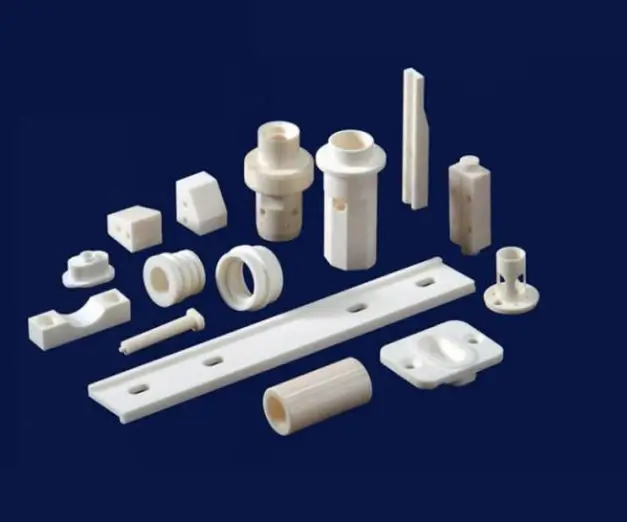
Ceramics are indispensable in the engineering sphere as they are applicable for various uses. Their insulating characteristic, and resistance to corrosion, among others, make them suitable for several industries like aerospace, electronics, and biomedical, to mention a few.
Ceramic manufacturing refers to every process of mixing ingredients, sintering, and fabricating ceramic materials into usable non-metal parts. Depending on the application, diverse methods are involved in engineering ceramics production. Also, you must know that the type of ceramics used in engineering differs from the contemporary earthen wares in our homes.
Technical ceramics for engineering functions differ in their mode of production from traditional ceramic materials. Ceramic manufacturers hardly use naturally occurring substances like clay. They do this to have materials with superior qualities to those obtainable from earthen wares.
Engineering ceramics include macor, alumina, boron carbide, tungsten carbide, and many others. They result from mixing precursor powders and binders. Shaping of the tool follows using a forming method such as extrusion, slip casting, dry pressing, tape casting, and injection molding.
We refer to the ceramic product as ‘green,’ and machining is possible from that moment. Firing takes place in a kiln to make the tools reach the required hardness, and more machining functions still occur.
Some machining techniques for ceramics include sawing, milling, turning, drilling, tapping, grinding, and polishing. In this article, we shall be reviewing the importance of machining solutions to ceramic manufacturing.
Benefits of machining solution to ceramic manufacturing
Makes Ceramic manufacturing faster
The production of ceramic tools and materials is a multifaceted process. Each stage in the traditional method of production of these materials is time-consuming.
Manufacturers must show much care to each piece due to its delicate nature, slowing down mass production. But with ceramic machining services, ceramic manufacturing is swift as special machines are employed to handle these processes without compromising product safety.
High Precision
Different companies require ceramic parts, and most of these are custom-made. Very high dimensional accuracy is always required because little deviation can make the ceramic products unsuitable for the proposed use. We are talking of accuracies between ±0.0002″ (±0.00508 mm) to ±0.0005″ (±0.0127 mm).
Meeting this demand is unreal unless they engage the services of a precision machining manufacturer for ceramics. The computerized process rules out human errors leading to dimensional accuracies.
Versatility with ceramic types
Industries demand different types of ceramic products. Each ceramic type has its characteristics, which designers must consider when producing materials and equipment.
For example, macor’s unique characteristics make it a sought-after ceramic in aerospace, medical, and the production of semiconductors. It is a machinable glass ceramic that can reach an extreme temperature of 1,000°C. The material expands comparable to most metals and sealing glasses. Also, macor is non-porous, does not get wet, and is resistant to deformation.
Hence, in macor ceramic machining, high-speed steel, silicon carbide, and diamond-tipped tools are used to avoid splintering the material. The different ceramic types also require their unique treatment during the machining process.
Achieves complicated designs
The diverse applications of ceramics in various industries led to the demand for uniquely-shaped tools. Considering the disadvantageous properties of ceramics to manufacturers, such as brittleness and non-elasticity of ceramics, many of these tools would be difficult to produce without ceramic machining services.
Now, the only limitation to ceramic product design is the industry’s imagination. Companies offering custom ceramic machining solutions can develop a prototype for the client, make adjustments, and produce whatever shape and size are required.
Exceptional finishing
Ensuring a proper ceramic surface can be tedious, depending on the type. For example, alumina is a ceramic variety with unrivaled chemical and physical stability. Its hardness is thrice that of stainless steel and is resistant to corrosion.
For this reason, in alumina ceramic machining, manufacturers machine this material before the sintering process using high-quality diamond tools. As for finishing, laser machining or high precision grinding provides the required surface.
Saves cost
Manufacturing ceramic parts can be challenging and expensive, owing to the classy nature of the materials, the time it consumes, and the expertise required. The construction of molds in ceramic manufacturing is capital intensive. Hence, ceramic components of small sizes are better manufactured en mass and more cost-effective with ceramic machining than when forming with dies.
Summary
Ceramics are priceless in producing multiple components in various fields. They are strong, have high insulation properties, durable, non-corrosive, and durable. There are several methods used in making ceramic products for industrial use. Ceramic machining solutions include milling, sawing, turning, tapping, and grinding.
Most ceramic machining takes place when the ware is still green or in bisque form. When grinding, lubricants are used to reduce the heat generated and make the process easy.
The knowledge of the different ceramic varieties would determine the type of machining process they can go through. Machining is advantageous to ceramic manufacturing because it reduces cost, speeds up production, and helps achieve complicated designs and high precision.
Ceramics are indispensable in the engineering sphere as they are applicable for various uses. Their insulating characteristic, and resistance to corrosion, among others, make them suitable for several industries like aerospace, electronics, and biomedical, to mention a few.
Ceramic manufacturing refers to every process of mixing ingredients, sintering, and fabricating ceramic materials into usable non-metal parts. Depending on the application, diverse methods are involved in engineering ceramics production. Also, you must know that the type of ceramics used in engineering differs from the contemporary earthen wares in our homes.
Technical ceramics for engineering functions differ in their mode of production from traditional ceramic materials. Ceramic manufacturers hardly use naturally occurring substances like clay. They do this to have materials with superior qualities to those obtainable from earthen wares.
Engineering ceramics include macor, alumina, boron carbide, tungsten carbide, and many others. They result from mixing precursor powders and binders. Shaping of the tool follows using a forming method such as extrusion, slip casting, dry pressing, tape casting, and injection molding.
We refer to the ceramic product as ‘green,’ and machining is possible from that moment. Firing takes place in a kiln to make the tools reach the required hardness, and more machining functions still occur.
Some machining techniques for ceramics include sawing, milling, turning, drilling, tapping, grinding, and polishing. In this article, we shall be reviewing the importance of machining solutions to ceramic manufacturing.
Benefits of machining solution to ceramic manufacturing
Makes Ceramic manufacturing faster
The production of ceramic tools and materials is a multifaceted process. Each stage in the traditional method of production of these materials is time-consuming.
Manufacturers must show much care to each piece due to its delicate nature, slowing down mass production. But with ceramic machining services, ceramic manufacturing is swift as special machines are employed to handle these processes without compromising product safety.
High Precision
Different companies require ceramic parts, and most of these are custom-made. Very high dimensional accuracy is always required because little deviation can make the ceramic products unsuitable for the proposed use. We are talking of accuracies between ±0.0002″ (±0.00508 mm) to ±0.0005″ (±0.0127 mm).
Meeting this demand is unreal unless they engage the services of a precision machining manufacturer for ceramics. The computerized process rules out human errors leading to dimensional accuracies.
Versatility with ceramic types
Industries demand different types of ceramic products. Each ceramic type has its characteristics, which designers must consider when producing materials and equipment.
For example, macor’s unique characteristics make it a sought-after ceramic in aerospace, medical, and the production of semiconductors. It is a machinable glass ceramic that can reach an extreme temperature of 1,000°C. The material expands comparable to most metals and sealing glasses. Also, macor is non-porous, does not get wet, and is resistant to deformation.
Hence, in macor ceramic machining, high-speed steel, silicon carbide, and diamond-tipped tools are used to avoid splintering the material. The different ceramic types also require their unique treatment during the machining process.
Achieves complicated designs
The diverse applications of ceramics in various industries led to the demand for uniquely-shaped tools. Considering the disadvantageous properties of ceramics to manufacturers, such as brittleness and non-elasticity of ceramics, many of these tools would be difficult to produce without ceramic machining services.
Now, the only limitation to ceramic product design is the industry’s imagination. Companies offering custom ceramic machining solutions can develop a prototype for the client, make adjustments, and produce whatever shape and size are required.
Exceptional finishing
Ensuring a proper ceramic surface can be tedious, depending on the type. For example, alumina is a ceramic variety with unrivaled chemical and physical stability. Its hardness is thrice that of stainless steel and is resistant to corrosion.
For this reason, in alumina ceramic machining, manufacturers machine this material before the sintering process using high-quality diamond tools. As for finishing, laser machining or high precision grinding provides the required surface.
Saves cost
Manufacturing ceramic parts can be challenging and expensive, owing to the classy nature of the materials, the time it consumes, and the expertise required. The construction of molds in ceramic manufacturing is capital intensive. Hence, ceramic components of small sizes are better manufactured en mass and more cost-effective with ceramic machining than when forming with dies.
Summary
Ceramics are priceless in producing multiple components in various fields. They are strong, have high insulation properties, durable, non-corrosive, and durable. There are several methods used in making ceramic products for industrial use. Ceramic machining solutions include milling, sawing, turning, tapping, and grinding.
Most ceramic machining takes place when the ware is still green or in bisque form. When grinding, lubricants are used to reduce the heat generated and make the process easy.
The knowledge of the different ceramic varieties would determine the type of machining process they can go through. Machining is advantageous to ceramic manufacturing because it reduces cost, speeds up production, and helps achieve complicated designs and high precision.
Please follow and like us:

Sort By:

Outsourcing vs. In-House Machining: What Actually Makes Sense for Your Business?

Tungsten Carbide Machining: Expert Tips, Techniques, and Best Practices for Precision Results

Graphite Machining: Processes, Challenges, Applications and Precision Services

Advanced Carbide Ceramics Machining: Why These Materials Rule in Extreme Conditions

Why Aerospace CNC Machining Really Needs a Different kind of Precision
Why Titanium Is Dominant in Aerospace CNC Machining
Related Blog Posts
Jun 27, 2026
Tungsten Carbide Machining: Expert Tips, Techniques, and Best Practices for Precision Results
Explore tungsten carbide machining challenges, best practices, and precision techniques for producing durable, high-performance components.
Jun 27, 2026
Tungsten Carbide Machining: Expert Tips, Techniques, and Best Practices for Precision Results
Explore tungsten carbide machining challenges, best practices, and precision techniques for producing durable, high-performance components.
Jun 27, 2026
Graphite Machining: Processes, Challenges, Applications and Precision Services
Learn graphite machining processes, key challenges, industrial applications, and how precision CNC machining delivers reliable, high-quality parts.
Jun 27, 2026
Graphite Machining: Processes, Challenges, Applications and Precision Services
Learn graphite machining processes, key challenges, industrial applications, and how precision CNC machining delivers reliable, high-quality parts.
Jun 27, 2026
Advanced Carbide Ceramics Machining: Why These Materials Rule in Extreme Conditions
Learn how precision machining of boron carbide, silicon carbide, and titanium carbide delivers exceptional wear resistance, heat tolerance, and accuracy.
Jun 27, 2026
Advanced Carbide Ceramics Machining: Why These Materials Rule in Extreme Conditions
Learn how precision machining of boron carbide, silicon carbide, and titanium carbide delivers exceptional wear resistance, heat tolerance, and accuracy.
Jun 27, 2026
Tungsten Carbide Machining: Expert Tips, Techniques, and Best Practices for Precision Results
Explore tungsten carbide machining challenges, best practices, and precision techniques for producing durable, high-performance components.
Jun 27, 2026
Graphite Machining: Processes, Challenges, Applications and Precision Services
Learn graphite machining processes, key challenges, industrial applications, and how precision CNC machining delivers reliable, high-quality parts.