Table of Content
Title
ER Machining, provides emergency machining services on any request.
Fast turnaround! · Call or email us!
Contact Us!
How Does Custom Machining Differ from Standard Machining?
CNC Machining
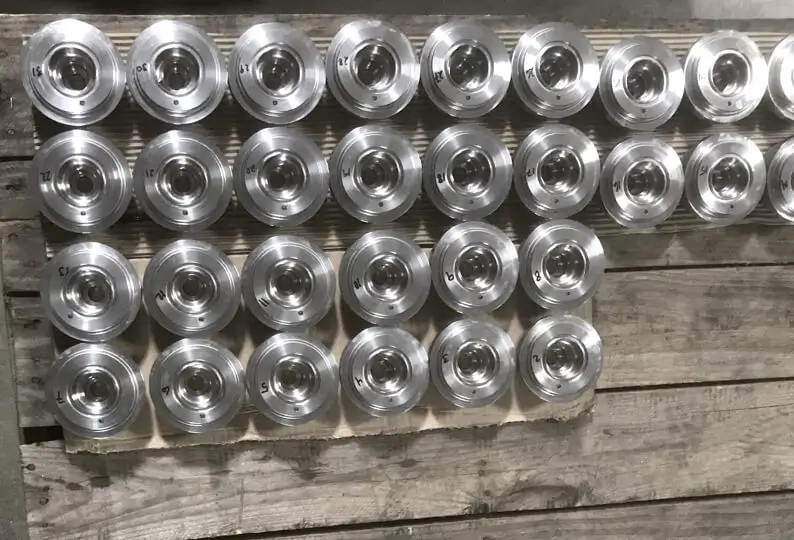
In the realm of manufacturing and engineering, machining plays a pivotal role in shaping and creating various components essential for different industries. Two primary types of machining exist: standard machining and custom machining. While both share fundamental principles, their applications, processes, and outcomes differ significantly. Understanding these differences is crucial for businesses and individuals seeking the most effective solutions for their manufacturing needs.
Standard Machining: A Glimpse into Uniformity
Standard machining, also known as conventional machining, revolves around producing parts that adhere to specific, predetermined specifications. These specifications are often set by industry standards or common manufacturing practices. Standard machining is highly efficient for mass production of uniform parts, ensuring consistency and reliability across large quantities.
Key Characteristics of Standard Machining:
1. Mass Production: Standard machining excels in producing large volumes of identical parts. This makes it ideal for industries such as automotive, aerospace, and consumer electronics, where high precision and repeatability are paramount. 2. Cost-Effective: Due to the repetitive nature of standard machining, the cost per unit tends to be lower. This is because once the setup and tooling are complete, the production process can run with minimal adjustments. 3. Speed and Efficiency: Standard machining processes are streamlined for efficiency. The use of Computer Numerical Control (CNC) machines enables quick production runs with high accuracy, minimizing the time required for each part. 4. Limited Flexibility: While efficient, standard machining lacks flexibility. It is best suited for projects where the design and specifications do not vary significantly between parts. Customizations are limited, and any deviation from the standard design may require significant retooling and adjustments.
Custom Machining: Tailored Precision and Innovation
Custom machining, on the other hand, offers a versatile and tailored approach to manufacturing. Custom machining services cater to unique, specific needs that standard machining cannot fulfill. Whether it’s creating prototypes, producing one-off components, or manufacturing parts with complex geometries, custom machining provides the flexibility and precision required for specialized projects.
Key Characteristics of Custom Machining:
1. Bespoke Solutions: Custom machining shops excel in creating parts that meet unique specifications and requirements. This bespoke approach is invaluable for industries such as medical devices, aerospace, and defense, where precision and customization are critical. 2. Complex Geometries: Custom machining is capable of producing parts with intricate designs and complex geometries. Advanced techniques and state-of-the-art machinery allow for the creation of components that would be challenging or impossible to produce through standard machining. 3. Prototyping and Small Batches: Custom machined parts are often produced in small batches or as single units. This makes custom machining services ideal for prototyping, testing, and short-run productions where standard machining would be inefficient or impractical. 4. Higher Costs: Due to the tailored nature of custom machining, costs can be higher compared to standard machining. Each project requires unique setups, tooling, and programming, which contributes to increased labor and material costs. However, the investment is justified by the superior quality and precision of the final product. 5. Flexibility and Innovation: Custom machining fosters innovation by allowing designers and engineers to experiment with new materials, designs, and techniques. This flexibility enables the development of cutting-edge products and solutions that drive technological advancement.
Choosing the Right Machining Service in Houston, Texas
When deciding between standard machining and custom machining, several factors need to be considered: 1. Volume: For large-scale production of identical parts, standard machining is often the more cost-effective and efficient choice. Custom machining is better suited for small batches, prototypes, or unique components. 2. Complexity: If the parts required have complex geometries or need to meet specific, non- standard specifications, custom machining is the way to go. Custom machine shops are equipped to handle intricate designs and tight tolerances. 3. Budget: While custom machining can be more expensive, it offers unparalleled precision and customization. The decision should balance the need for bespoke solutions against budget constraints. 4. Timeline: Standard machining processes are generally quicker for mass production, whereas custom machining may take longer due to the bespoke nature of each project. Project timelines should be aligned with the chosen machining process. In conclusion, both standard and custom machining play essential roles in the manufacturing industry. Custom machining services, offered by specialized custom machine shops, provide the flexibility, precision, and innovation necessary for unique and complex projects. Understanding the distinctions between these two machining approaches enables businesses and individuals to make informed decisions, ensuring the successful execution of their manufacturing goals.
In the realm of manufacturing and engineering, machining plays a pivotal role in shaping and creating various components essential for different industries. Two primary types of machining exist: standard machining and custom machining. While both share fundamental principles, their applications, processes, and outcomes differ significantly. Understanding these differences is crucial for businesses and individuals seeking the most effective solutions for their manufacturing needs.
Standard Machining: A Glimpse into Uniformity
Standard machining, also known as conventional machining, revolves around producing parts that adhere to specific, predetermined specifications. These specifications are often set by industry standards or common manufacturing practices. Standard machining is highly efficient for mass production of uniform parts, ensuring consistency and reliability across large quantities.
Key Characteristics of Standard Machining:
1. Mass Production: Standard machining excels in producing large volumes of identical parts. This makes it ideal for industries such as automotive, aerospace, and consumer electronics, where high precision and repeatability are paramount. 2. Cost-Effective: Due to the repetitive nature of standard machining, the cost per unit tends to be lower. This is because once the setup and tooling are complete, the production process can run with minimal adjustments. 3. Speed and Efficiency: Standard machining processes are streamlined for efficiency. The use of Computer Numerical Control (CNC) machines enables quick production runs with high accuracy, minimizing the time required for each part. 4. Limited Flexibility: While efficient, standard machining lacks flexibility. It is best suited for projects where the design and specifications do not vary significantly between parts. Customizations are limited, and any deviation from the standard design may require significant retooling and adjustments.
Custom Machining: Tailored Precision and Innovation
Custom machining, on the other hand, offers a versatile and tailored approach to manufacturing. Custom machining services cater to unique, specific needs that standard machining cannot fulfill. Whether it’s creating prototypes, producing one-off components, or manufacturing parts with complex geometries, custom machining provides the flexibility and precision required for specialized projects.
Key Characteristics of Custom Machining:
1. Bespoke Solutions: Custom machining shops excel in creating parts that meet unique specifications and requirements. This bespoke approach is invaluable for industries such as medical devices, aerospace, and defense, where precision and customization are critical. 2. Complex Geometries: Custom machining is capable of producing parts with intricate designs and complex geometries. Advanced techniques and state-of-the-art machinery allow for the creation of components that would be challenging or impossible to produce through standard machining. 3. Prototyping and Small Batches: Custom machined parts are often produced in small batches or as single units. This makes custom machining services ideal for prototyping, testing, and short-run productions where standard machining would be inefficient or impractical. 4. Higher Costs: Due to the tailored nature of custom machining, costs can be higher compared to standard machining. Each project requires unique setups, tooling, and programming, which contributes to increased labor and material costs. However, the investment is justified by the superior quality and precision of the final product. 5. Flexibility and Innovation: Custom machining fosters innovation by allowing designers and engineers to experiment with new materials, designs, and techniques. This flexibility enables the development of cutting-edge products and solutions that drive technological advancement.
Choosing the Right Machining Service in Houston, Texas
When deciding between standard machining and custom machining, several factors need to be considered: 1. Volume: For large-scale production of identical parts, standard machining is often the more cost-effective and efficient choice. Custom machining is better suited for small batches, prototypes, or unique components. 2. Complexity: If the parts required have complex geometries or need to meet specific, non- standard specifications, custom machining is the way to go. Custom machine shops are equipped to handle intricate designs and tight tolerances. 3. Budget: While custom machining can be more expensive, it offers unparalleled precision and customization. The decision should balance the need for bespoke solutions against budget constraints. 4. Timeline: Standard machining processes are generally quicker for mass production, whereas custom machining may take longer due to the bespoke nature of each project. Project timelines should be aligned with the chosen machining process. In conclusion, both standard and custom machining play essential roles in the manufacturing industry. Custom machining services, offered by specialized custom machine shops, provide the flexibility, precision, and innovation necessary for unique and complex projects. Understanding the distinctions between these two machining approaches enables businesses and individuals to make informed decisions, ensuring the successful execution of their manufacturing goals.
Please follow and like us:

Sort By:
What Is Cnc Turning? Most Essential Things You Must Know
How Does Custom Machining Differ from Standard Machining?
Here Are Top 5 Metals Used in Shaft Manufacturing
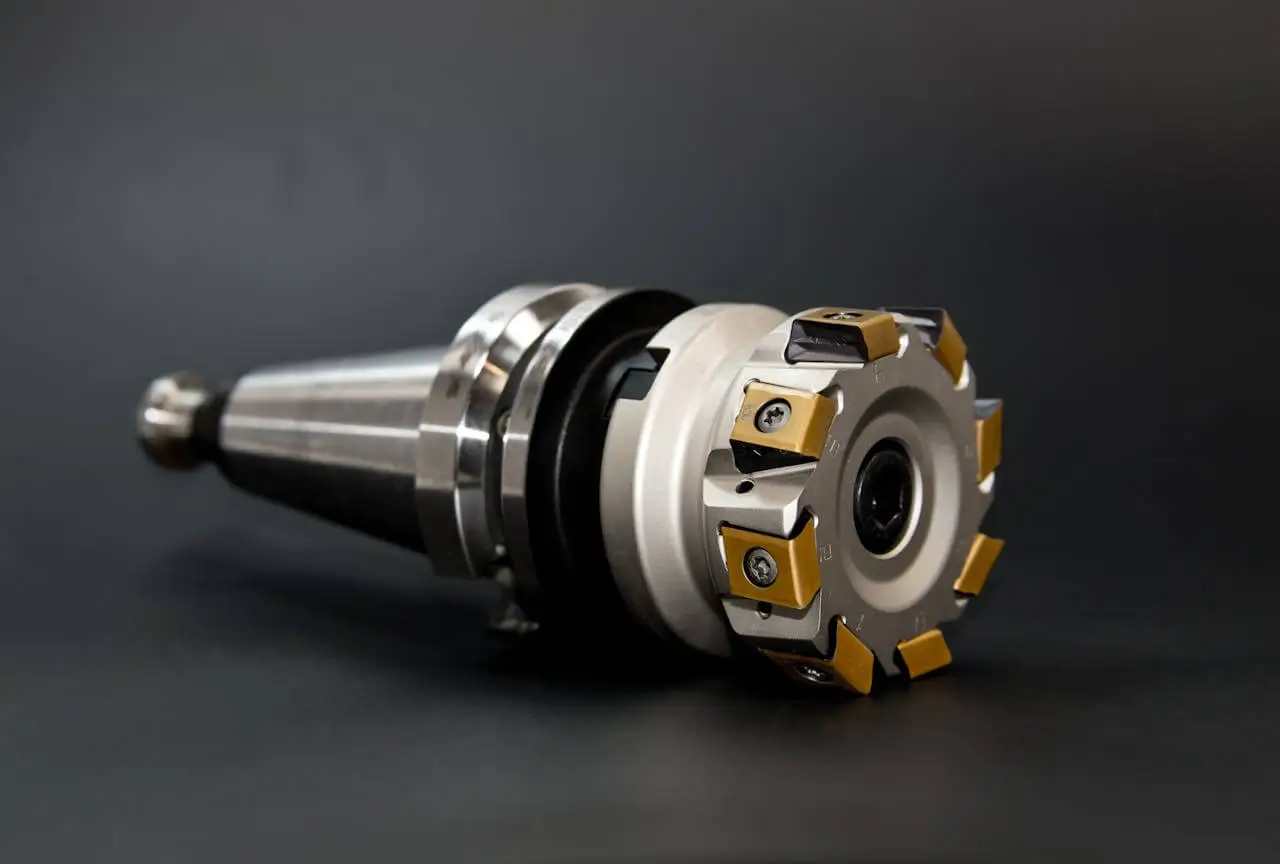
Benefits of CNC Milling Services Over Conventional Machining
The Role Of Automation And Robotics In Modern Welding Shops
Welding | A Comprehensive Guide by ER Machining
Related Blog Posts
Jul 15, 2024
Here Are Top 5 Metals Used in Shaft Manufacturing
Here are some of the top 5 metals used for shaft manufacturing. Read here to know more about shaft machining and the benefit of the using these metals.
Jul 15, 2024
Here Are Top 5 Metals Used in Shaft Manufacturing
Here are some of the top 5 metals used for shaft manufacturing. Read here to know more about shaft machining and the benefit of the using these metals.
Apr 15, 2024
Benefits of CNC Milling Services Over Conventional Machining
Here are some benefits over opting cnc milling services over conventional machining. Read the blog to know advantages of cnc milling.
Apr 15, 2024
Benefits of CNC Milling Services Over Conventional Machining
Here are some benefits over opting cnc milling services over conventional machining. Read the blog to know advantages of cnc milling.
Apr 5, 2024
The Role Of Automation And Robotics In Modern Welding Shops
At ER Machining, we integrate automation and robotics to offer finest welding services. Visit to know about the effects of modernization at welding shops.
Apr 5, 2024
The Role Of Automation And Robotics In Modern Welding Shops
At ER Machining, we integrate automation and robotics to offer finest welding services. Visit to know about the effects of modernization at welding shops.
Jul 15, 2024
Here Are Top 5 Metals Used in Shaft Manufacturing
Here are some of the top 5 metals used for shaft manufacturing. Read here to know more about shaft machining and the benefit of the using these metals.
Apr 15, 2024
Benefits of CNC Milling Services Over Conventional Machining
Here are some benefits over opting cnc milling services over conventional machining. Read the blog to know advantages of cnc milling.